The way people search for information is changing. Instead of scrolling through search results, many now turn to AI-powered platforms like ChatGPT, Perplexity, or Gemini for quick, conversational answers. These platforms are called Generative Engines and they represent the next big shift in how we discover content online.
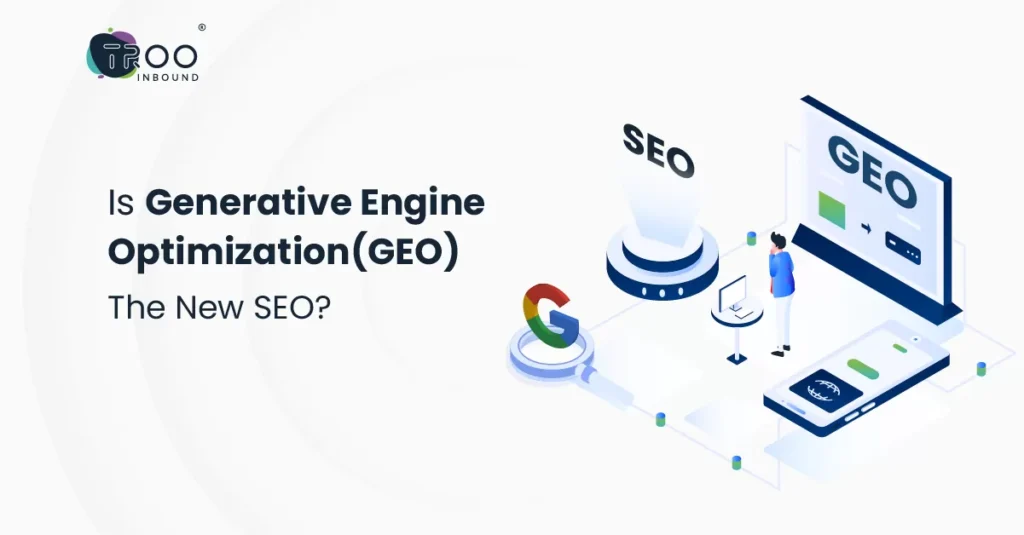
To stay visible in this new landscape, brands and marketers need a new approach: Generative Engine Optimization (GEO). It’s the evolution of SEO, designed for a world where AI tools generate answers instead of displaying links.
What is Generative Engine Optimization (GEO)?
Generative Engine Optimization is the process of optimizing content so it can be recognized, cited, or referenced by AI-powered search engines. Unlike traditional SEO, where the goal is to rank on Google, GEO focuses on ensuring your content is visible and useful to AI models that deliver direct answers to users.
In other words, while SEO aims to get you clicks, GEO aims to make your brand part of the answer itself.
How GEO Differs from Traditional SEO
| Aspect | Traditional SEO | Generative Engine Optimization (GEO) |
|---|---|---|
| Goal | Rank on search engine results pages | Be referenced in AI-generated responses |
| Focus | Keywords, backlinks, on-page optimization | Context, clarity, trust, and expertise |
| Output | Traffic from user clicks | Brand mentions and AI citations |
| Audience Behavior | Users read multiple results | Users rely on AI summaries and recommendations |
Generative engines don’t just list websites they understand and recreate information. That’s why optimizing for them requires clear, accurate, and structured content.
Why GEO Matters for Businesses.
Generative Engine Optimization is becoming essential for any business that wants to remain visible online. Here’s why:
- AI is changing how people search. Consumers are now asking questions directly to AI assistants instead of browsing Google results.
- Visibility depends on trust and authority. AI tools prefer sources that show expertise, reliability, and transparency.
- Early adopters gain a long-term advantage. Few businesses have started optimizing for GEO, making it a unique opportunity to lead.
- It complements SEO, not replaces it. GEO builds upon existing SEO strategies to extend your reach into AI-driven environments.
How to Optimize for Generative Engines.
Creating GEO-ready content means thinking beyond keywords and focusing on clarity, accuracy, and structure. Here are some key steps:
- Create High-Quality, Trustworthy Content
Use credible data, expert insights, and factual accuracy. AI engines prioritize sources that can be verified. - Use Natural, Conversational Language
Write the way people ask and answer questions. Generative engines favor human-like content that sounds clear and informative. - Answer Specific Questions
Structure your content around user intent. Titles and headings like “What is Generative Engine Optimization?” or “How Does GEO Work?” make it easier for AI to understand relevance. - Organize Information Logically
Use headings, subheadings, and concise paragraphs. Well-structured content helps AI extract key points accurately. - Show Author Expertise
Include author names, credentials, and publication dates. This builds credibility and increases the likelihood of being cited. - Build Topical Authority
Publish consistent, in-depth content around related subjects. The more expertise you demonstrate, the more AI systems trust your site as a reliable source.
The Role of a Digital Marketer in GEO
As a digital marketer, adapting to GEO means evolving from traditional optimization to AI-oriented visibility strategies. It’s about understanding how generative engines interpret language, evaluate trust, and deliver results.
By combining SEO fundamentals with content tailored for AI, marketers can help brands stay discoverable even as search continues to evolve. GEO isn’t replacing SEO it’s expanding it into the future of intelligent search.
Conclusion:
Generative Engine Optimization is reshaping the way businesses approach online visibility. As AI continues to transform how people search, the brands that understand and adapt to this shift will lead the next era of digital marketing.
The future of search is conversational, intelligent, and powered by AI. Optimizing for generative engines today ensures that your content and your brand remains part of tomorrow’s answers.
Now is the time to think beyond SEO and embrace GEO the next frontier of digital marketing.